Camera Burnout: When Buying Better Gear Stops Making Photography Better
Camera Burnout
There was a time when buying a new camera felt like the beginning of something. A trip, a walk, a new place, maybe just an excuse to leave the house and look at the world a little more carefully. The camera itself was only part of the excitement. What really mattered was everything I imagined I would do with it.
Somewhere along the way, that changed.
Maybe it happened after the Leica. Maybe after the Hasselblad. Maybe somewhere between Sony, Fujifilm, Nikon, another lens, another bag, and another carefully researched piece of equipment that was definitely going to simplify everything. It never really did. Instead, I slowly found myself becoming numb to cameras.
That was the strange part, because I hadn’t lost interest in photography. I still stop when the light looks right. I still want to photograph fog, empty roads, old buildings and the Irish coast. I still get excited when a roll of film comes back and there is one frame that is better than I expected. The photography was still there. What had changed was everything around it.
At some point, photography started to feel like a series of decisions. Which camera? Which lens? Film or digital? Colour or black and white? Should I take the tripod? Maybe another lens, just in case? What should have been a simple walk with a camera had started to feel suspiciously like project management.
The more equipment I owned, the more noise it created. Every lens became something I should use more. Every camera became another option. Every accessory seemed to open another unfinished tab in my head. And because I enjoy researching things, there was always another comparison to make. Better viewfinder, better colours, smaller body, nicer shutter sound, more character, less electronics, more mechanics. The perfect camera was always just one purchase away.
Of course, it never was.
The Leica M11-P probably taught me this more clearly than anything else. Leica carries an enormous amount of mythology with it. History, craftsmanship, famous photographers, beautiful design and the suggestion that somehow the act of photography itself might become more meaningful once you own one. And for a while, it does feel special. Then one day it is sitting on your desk like every other object you own, and you realise that the photograph still depends on exactly the same things it always did: what is in front of you, and whether you can see it.
That was probably when I started questioning what I actually wanted from a camera.
Recently I tried the Fujifilm X-E5. On paper, there was a lot to love. Small body, beautiful design, interchangeable lenses, and I genuinely loved the Classic View display. Yet every time I went out with it, part of me kept thinking about my X100VI. There was nothing wrong with the X-E5. I simply didn’t feel attached to it.
That was an important distinction.
I realised I wasn’t really searching for features anymore. I was searching for a connection, and there is no specification sheet for that. You cannot measure the feeling of wanting to pick up one camera instead of another.
Maybe camera burnout isn’t about getting bored of photography at all. Maybe it happens when you have spent so long thinking about cameras that the equipment starts replacing the experience. Curiosity becomes comparison. You stop wondering what you could photograph and start wondering what another camera might do slightly better.
So lately I have been going in the opposite direction. Selling things. Reducing choices. Trying to remove some of the noise. One camera, one lens, maybe a roll of film, and somewhere to walk. Nothing particularly revolutionary.
It has just taken me a ridiculous number of cameras to realise it.
And strangely, after all the modern cameras, all the specifications and all the chasing of something better, the camera that currently feels the most settled in my hands is more than forty years old.
A Nikon F3.
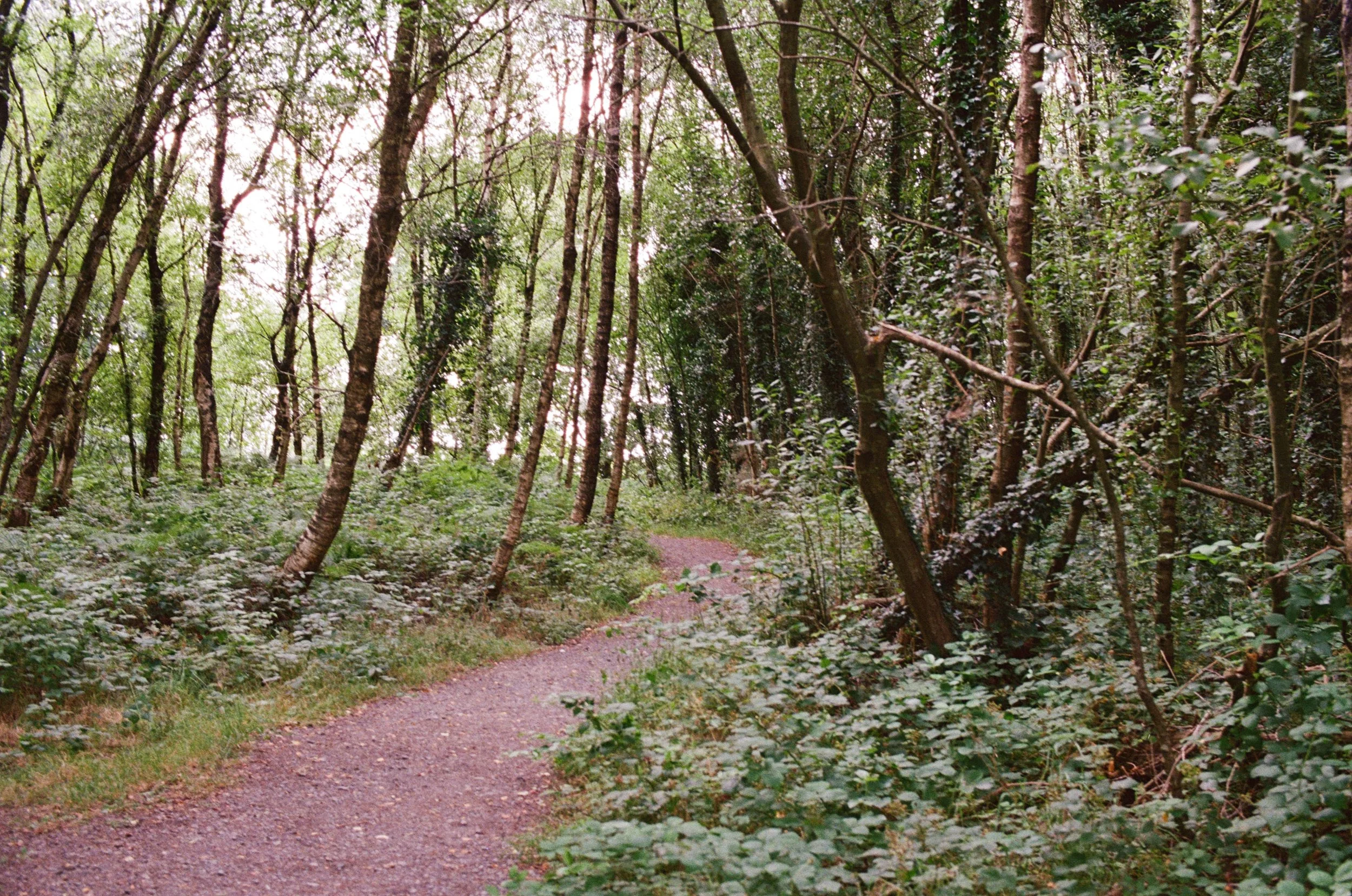
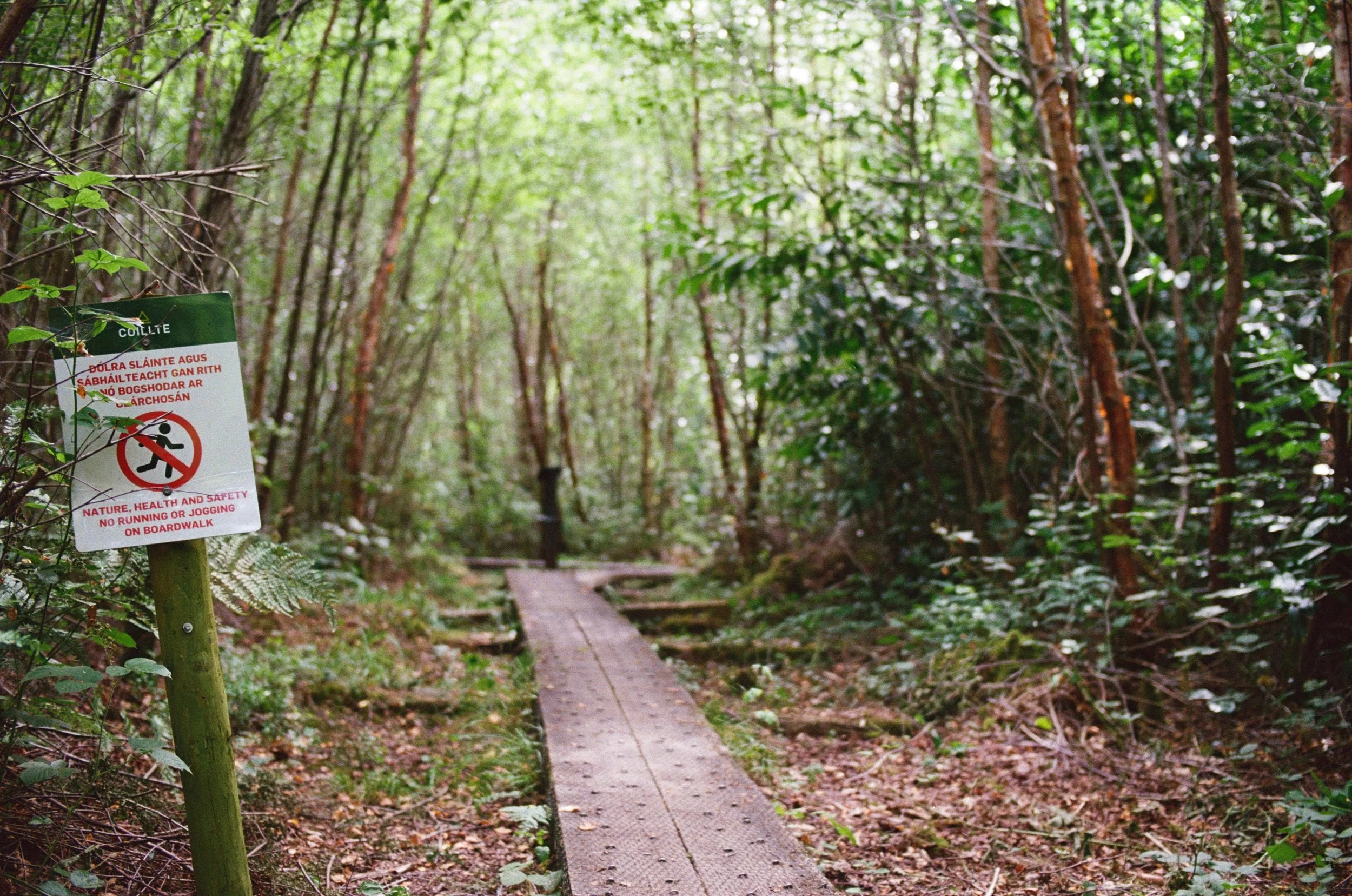
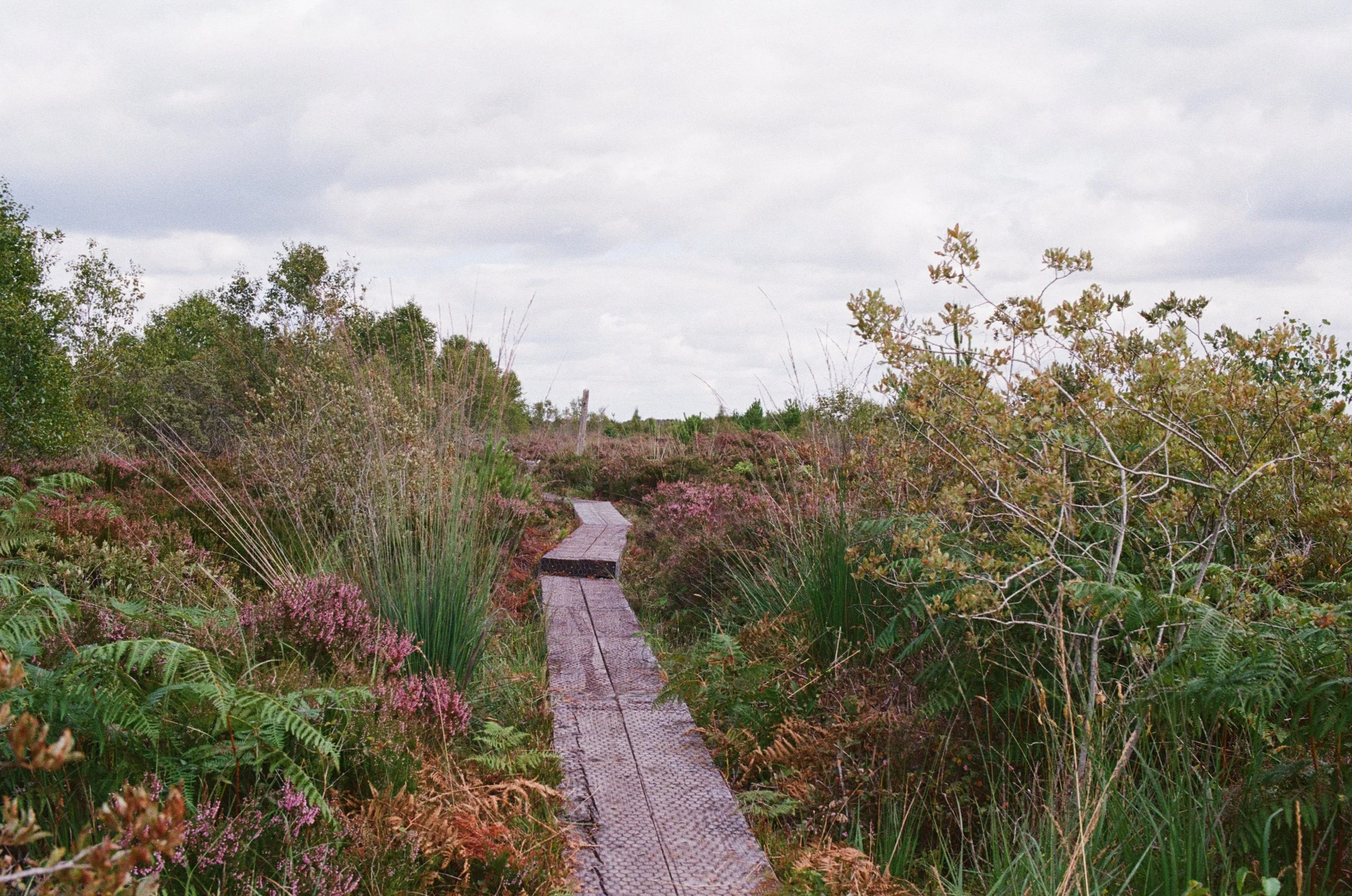
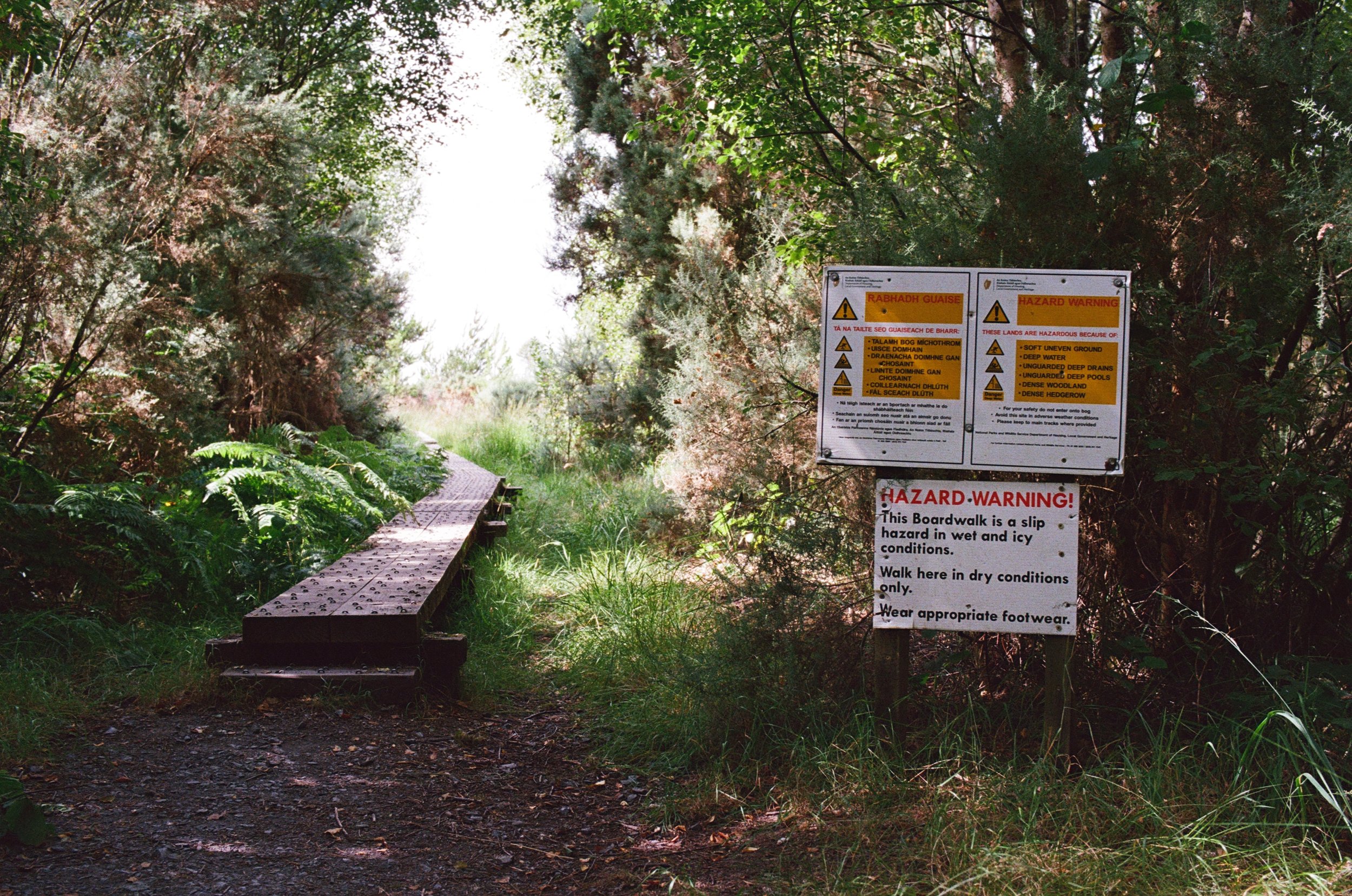
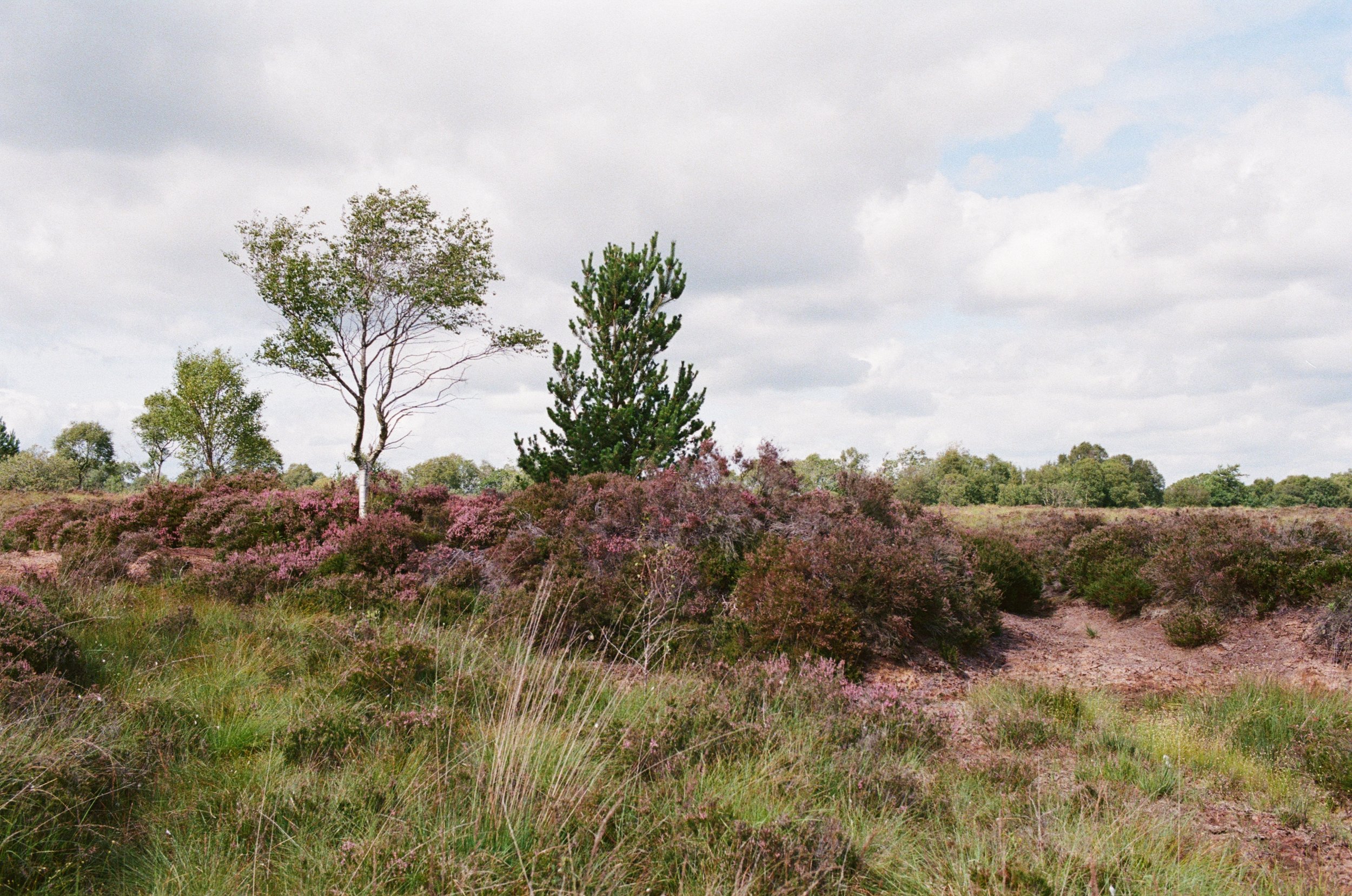
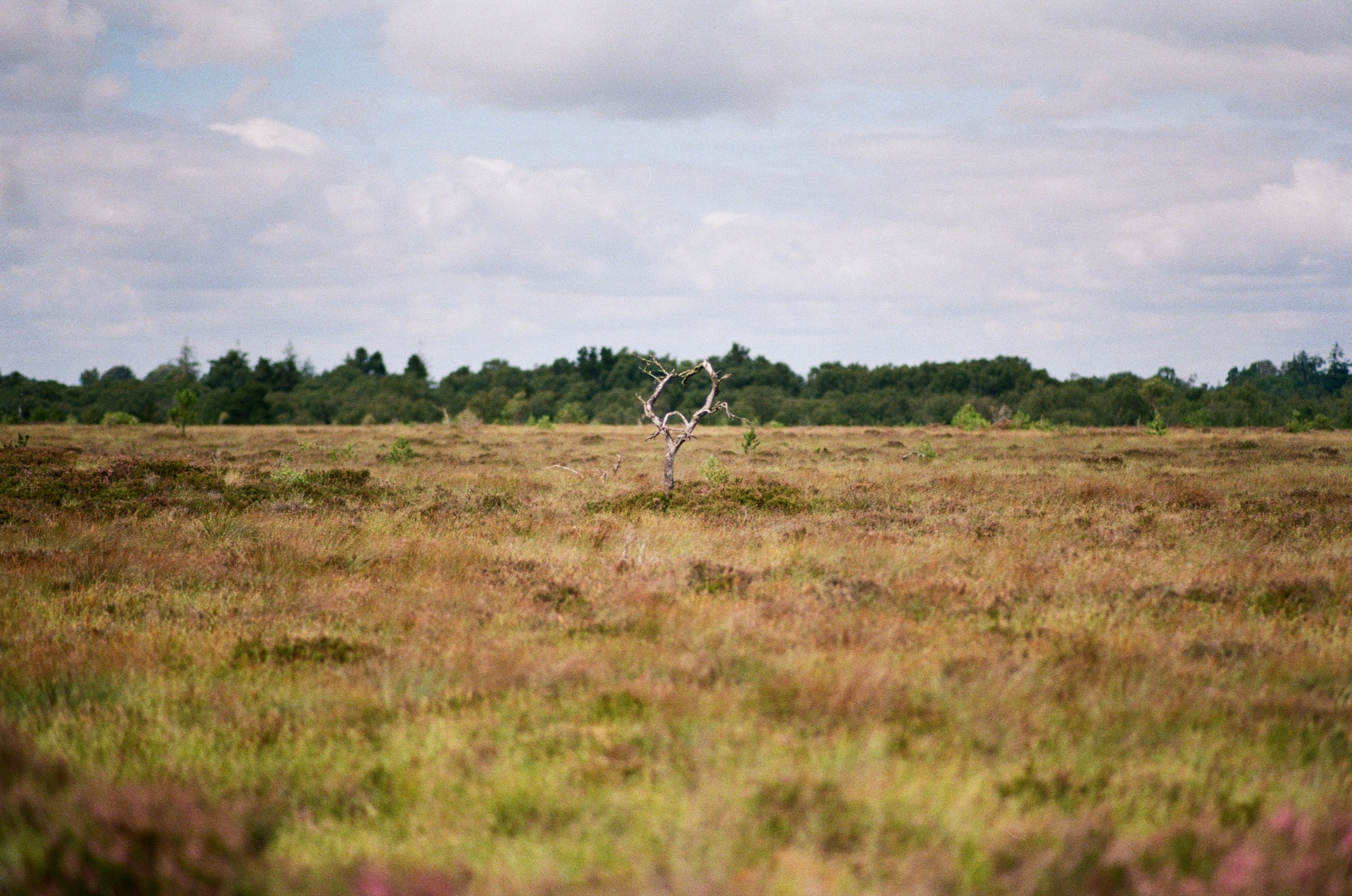
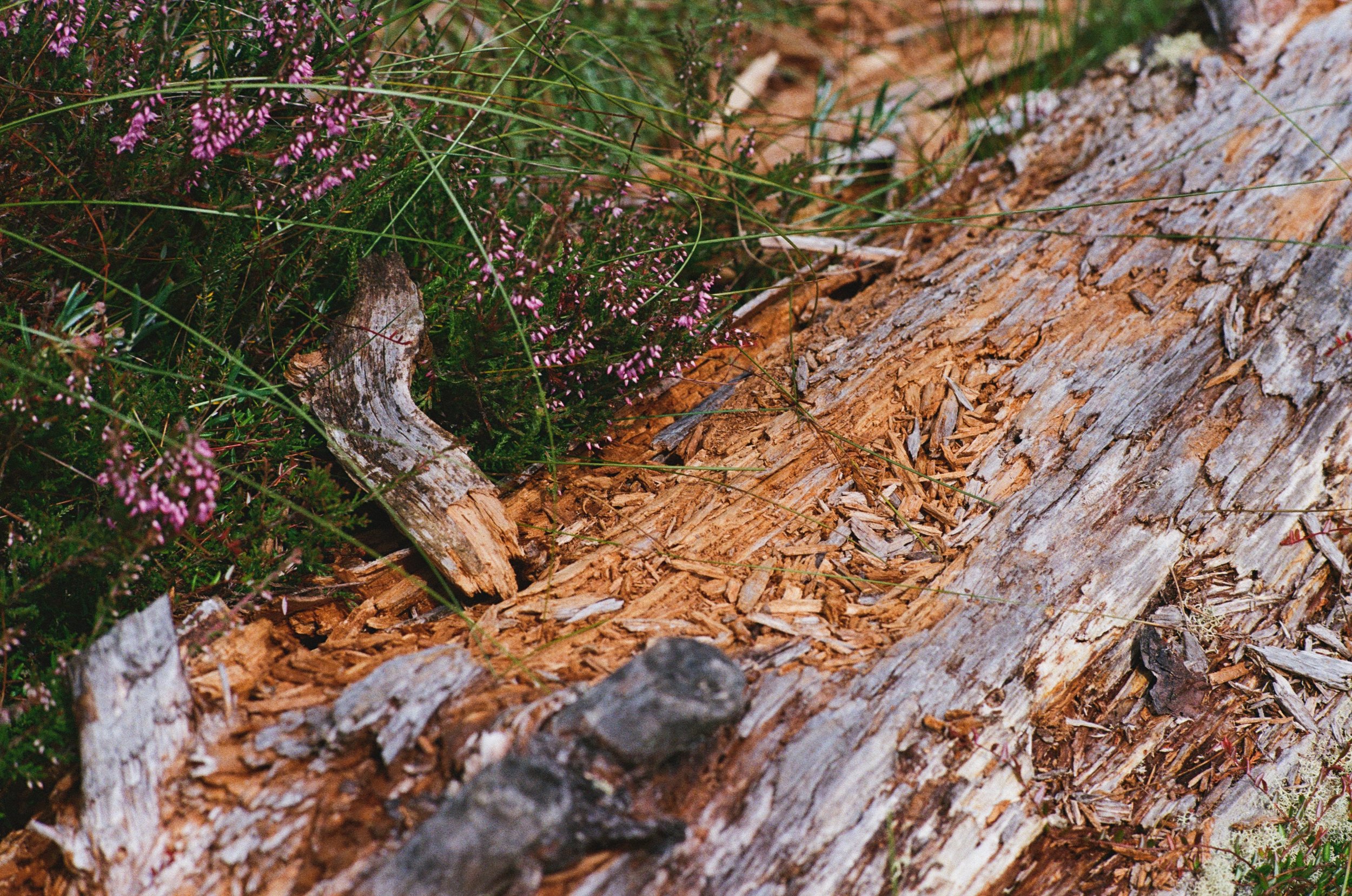
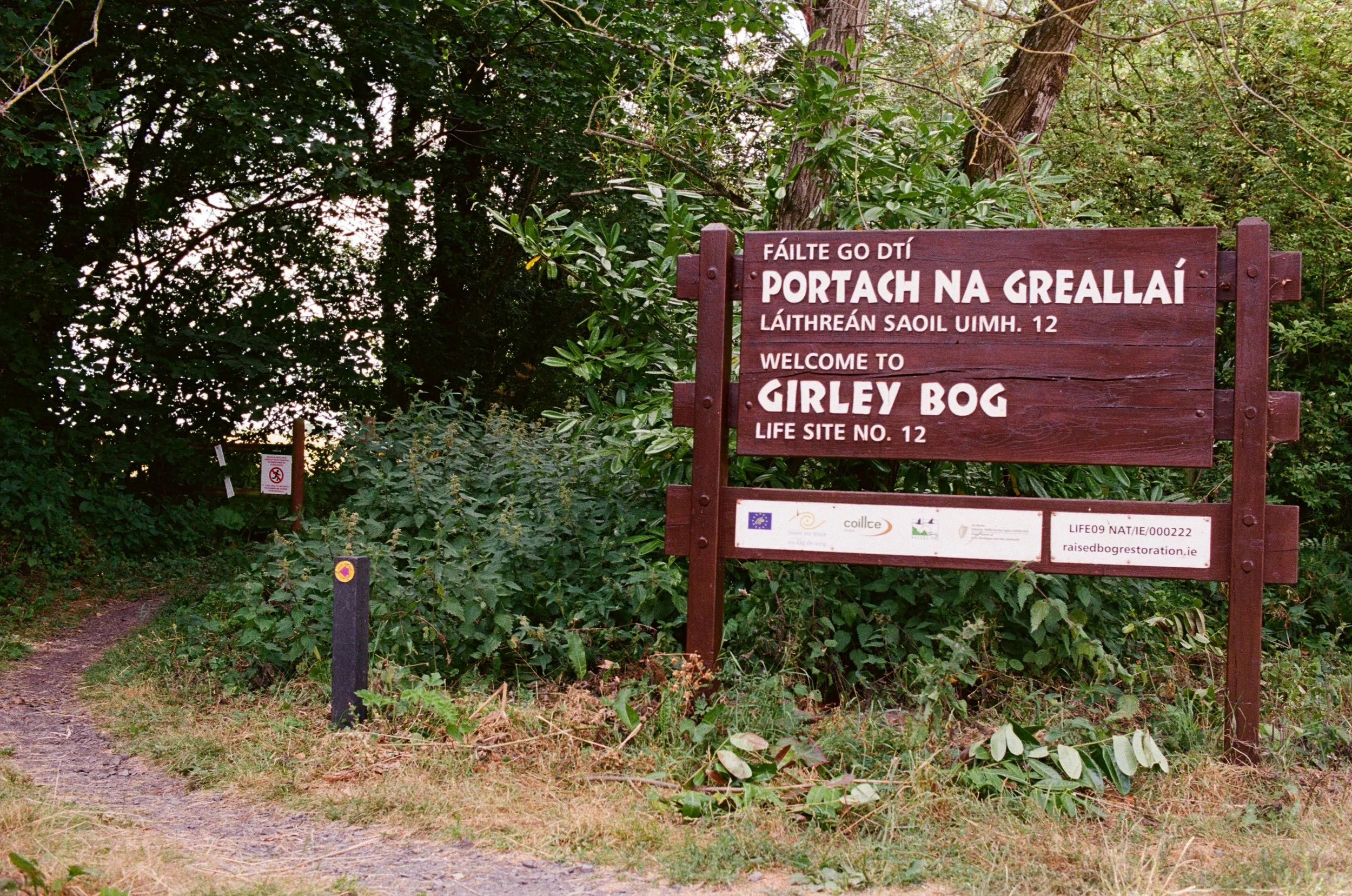
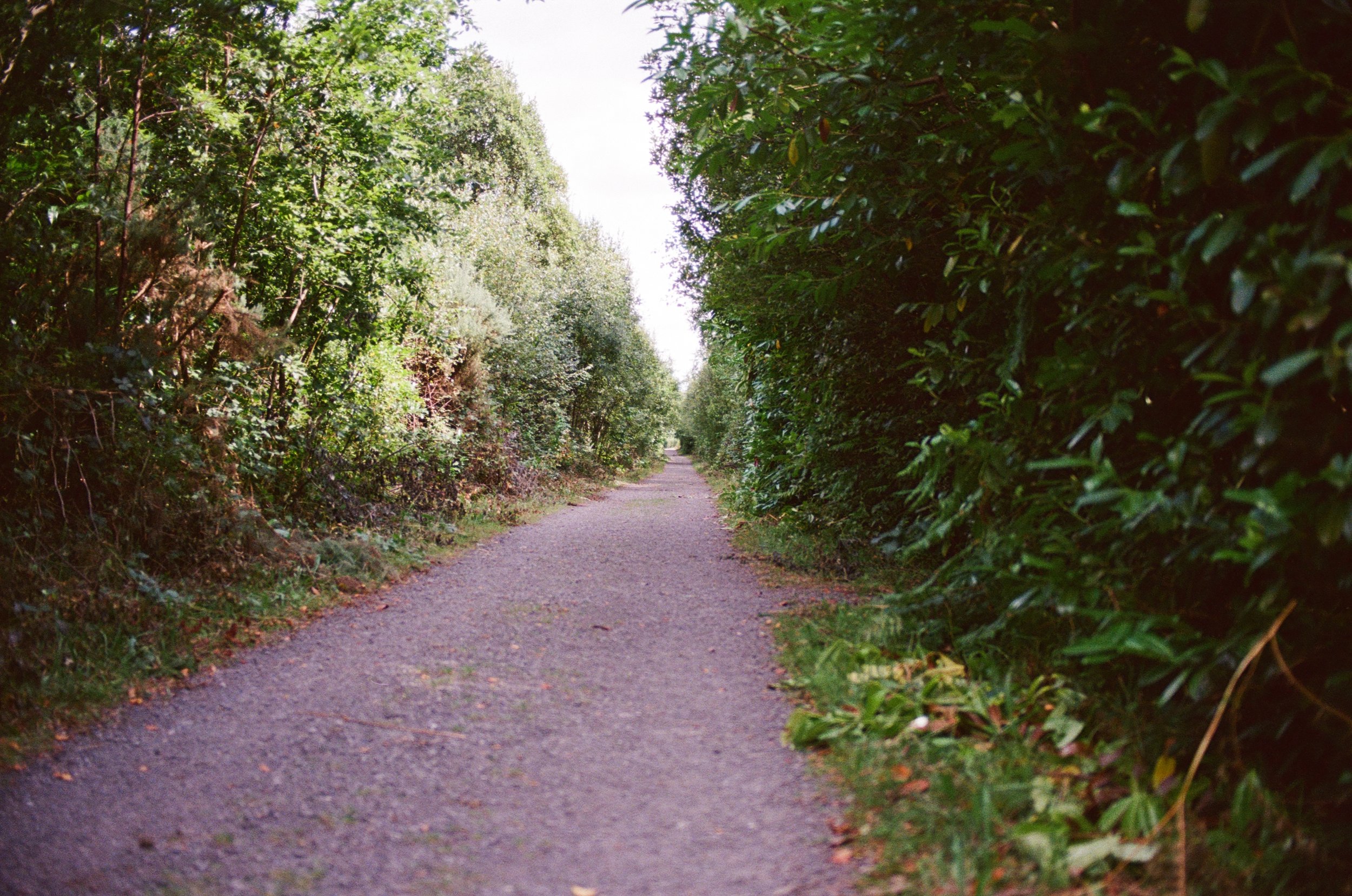
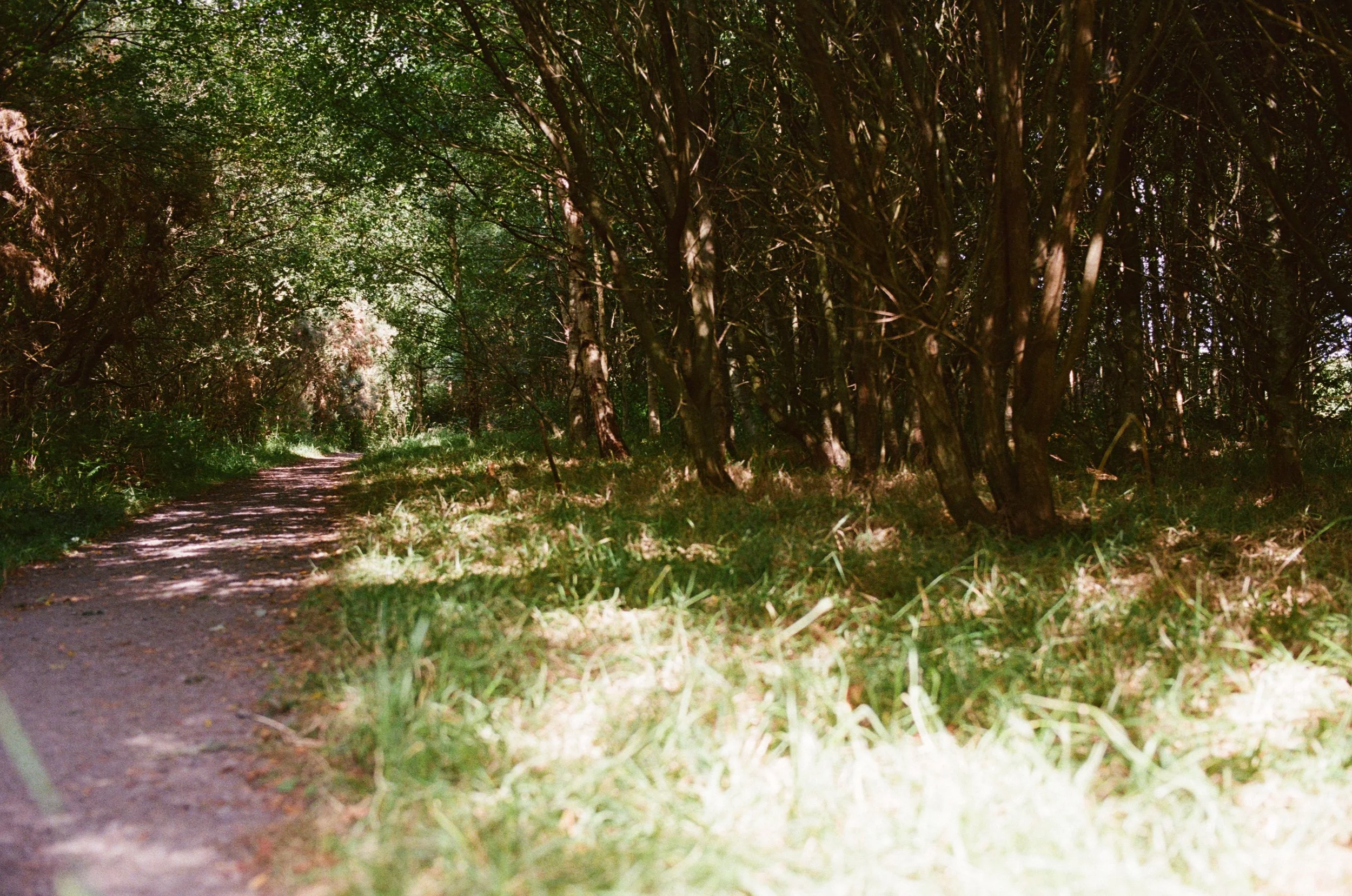
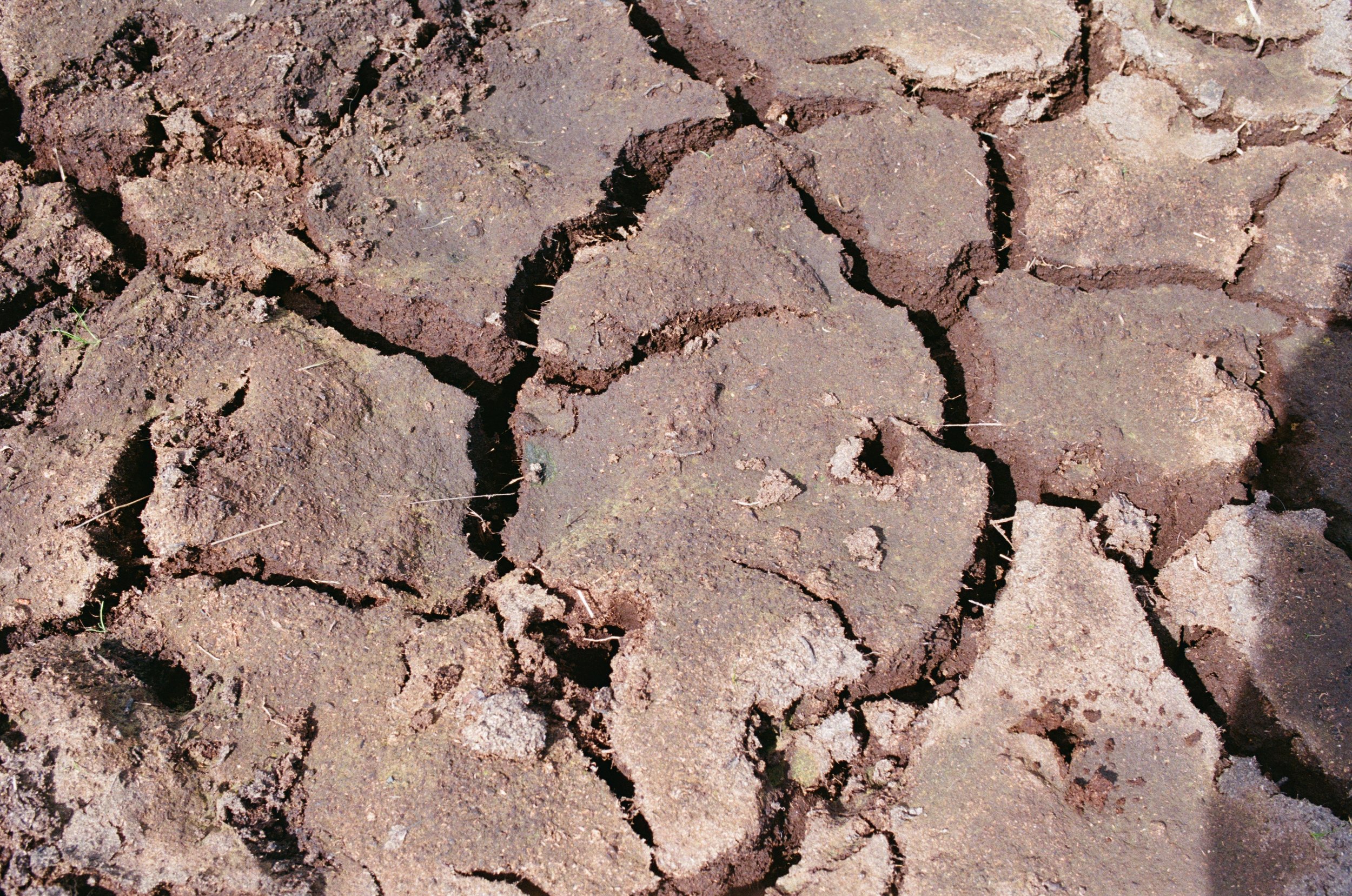
Location: Girley Bog - Ireland
Camera: Nikon FM3A - Voigtlander 40mm SL II
Film: Fujifilm 400